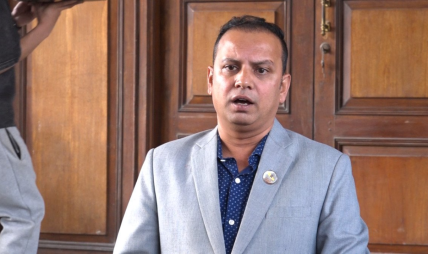


आत्महत्या रोकथाम कार्यक्रममा मनोबिद्हरु सक्रिय
बिश्व आत्महत्या दिवसका सन्दर्भमा आत्महत्या रोकथाम कार्यक्रमको विशेषज्ञ छ्लफल कार्यक्रममा मनोबिद् पदम राज जोशीले दिनु भएको मन्तव्य( key note speech)

वि.सं.२०८३ भदौ २९ सोमवार ०९:५४
5.47K
shares
shares
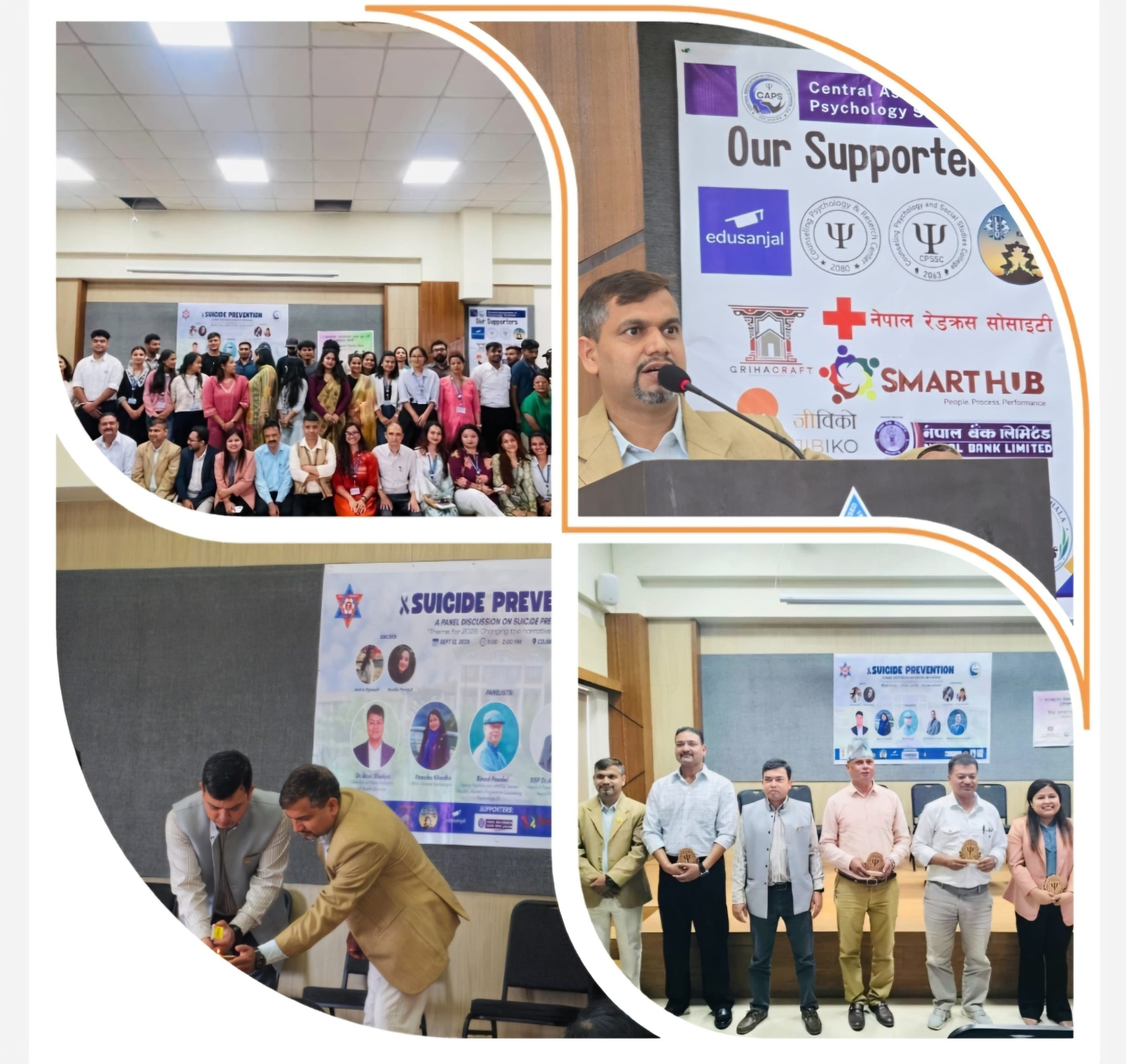
Key note speech :
आदरणीय यस कार्यक्रम का अध्यक्ष डा सन्देश ढकाल ज्यु , प्रमुख अतिथी विश्वविद्यालय क्याम्पसका प्राचार्य प्रा डा अक्कल देव मिश्रा , रेडक्रसका महामन्त्री , बिश्वविध्यालय क्याम्पसका स्ववियु अध्यक्ष दिपकराज जोशी ज्यु , बिभागीय प्रमुख सन्जेश श्रेस्ठ , हाम्रा गुरु आमा प्राडा नन्दिता शर्मा ज्यु लगायत distinguished guests, respected psychologists, psychiatrists, counselors, teachers, colleagues, dear students, र यहाँ उपस्थित सम्पूर्ण mental health advocates— सबैमा नमस्कार तथा हार्दिक अभिवादन।
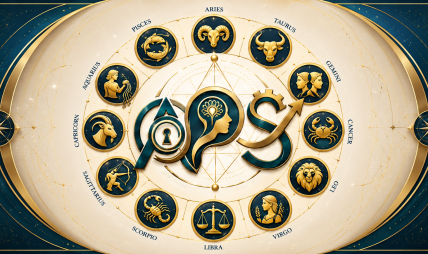
आजको यस महत्वपूर्ण कार्यक्रममा Central Association of Psychology Students—CAPS को founder president का रूपमा बोल्न पाउँदा मलाई अत्यन्त खुशी र गर्व लागेको छ।
विंस २०५८ मा छलफल हुदै २०५९ सालमा CAPS को सुरुवात गर्दा हाम्रो एउटा basic belief थियो—Psychology केवल classroom मा पढ्ने subject होइन; Psychology is a science for understanding people, improving wellbeing and transforming society.
आज धेरै वर्षपछि CAPS ले mental health को विषयमा कार्यक्रम गरिरहेको देख्दा मलाई लाग्छ—
त्यो आवाज अझै जीवित छ। आज म विशेषगरी एउटा प्रश्न उठाउन चाहन्छु।
नेपालमा Mental Health को समस्या मानिसमा मात्र हो कि हाम्रो system मा पनि हो?”
मेरो विचारमा उत्तर स्पष्ट छ—दुवैमा छ, तर system-level response अझै धेरै बलियो बनाउन आवश्यक छ। आज म यहांहरु समक्ष केही बुदाहरु राख्न चाहन्छु।
१- Mental Health is not a luxury It is a basic human need.
हामी अझै पनि physical health र mental health लाई अलग-अलग हेर्ने गर्छौं।
यदि कसैलाई diabetes भयो भने हामी भन्छौं—“Doctor कहाँ लैजाऊ।”
तर कसैले depression, anxiety, trauma वा suicidal thoughts को कुरा गर्यो भने हामी कहिलेकाहीँ भन्छौं- Strong बन, सबैलाई यस्तै हुन्छ।”
This attitude must change.
WHO र नेपालका विभिन्न अध्ययनहरूले mental health conditions को महत्वपूर्ण burden देखाएका छन्। Nepal National Mental Health Survey अनुसार adults मध्ये करिब १०% ले lifetime मा mental disorder अनुभव गरेको र करिब ४.३% मा current mental disorder देखिएको थियो। तर उपचार खोज्नेहरूको अनुपात निकै कम थियो।
त्यसैले हाम्रो पहिलो advocacy message हो—
Mental health care is health care.”
२- Stigma remains one of our biggest enemies
नेपालमा अझै पनि mental illness लाई लिएर stigma र misconception ठूलो समस्या हो।
कसैलाई depression भयो भने—
कमजोर रहेछ।”Psychosis भयो भने ;पागल भयो।”
Counseling मा गयो भने;समस्या धेरै ठूलो रहेछ।
यो language ले मानिसलाई उपचारबाट टाढा लैजान्छ।
Dear psychology students,
Our first responsibility is to change the language of society.
हामीले भन्नुपर्छ; Mental illness is not a character failure; it is a health condition that deserves understanding, treatment and dignity.”
३-Treatment gap: Problem छ, तर service कहाँ छ?
नेपालको अर्को ठूलो चुनौती access to mental health services.
WHO को Nepal investment analysis ले नेपालमा mental health services underfunded र understaffed रहेको तथा treatment gap 90% भन्दा बढी हुन देखाएको छ।
यसको अर्थ के हो?
Need धेरै छ, तर service पर्याप्त छैन।
विशेषगरी rural Nepal, remote communities, poor families, children, adolescents, older people, persons with disabilities, disaster-affected communities र marginalized groups लाई सेवा पुर्याउनु अझै चुनौतीपूर्ण छ।
त्यसैले हाम्रो demand हुनुपर्छ— Mental health services should not be Kathmandu-centered.Services should reach:Province → District → Municipality → Community → School → Family.
४ -Children and adolescents: We must act early
आजको अर्को ठूलो concern हो—children and young people.
नेपालमा १३-१९ वर्षका adolescents मध्ये ५.२%मा diagnosable mental health conditions रहेको र ६-१८ वर्षका १८% children ले emotional or behavioural difficulties report गरेको सरकारी/WHO-supported data ले देखाउँछ।
अब हामीले सोच्नुपर्छ ; यदि बच्चाले school मा concentration गर्न सकिरहेको छैन भने,
के हामी केवल “lazy” भनिरहेका छौँ?
यदि teenager socially withdraw भइरहेको छ भने – Mobile धेरै चलाउँछ” भनेर मात्र बुझिरहेका छौँ?
यदि बच्चा बारम्बार angry, silent वा fearful भइरहेको छ भने Bad behaviour” मात्र भनिरहेका छौँ?
Psychology students should become the voice of these children.
हामीले schools मा:School counseling/Psychological first aid/Social-emotional learning/Anti-bullying programmes/Suicide prevention awareness/Parenting education/Teacher mental-health literacy
लाई institutionalize गर्न advocacy गर्नुपर्छ।
५- Suicide prevention must become a national priority
अब म एउटा sensitive तर अत्यन्तै महत्वपूर्ण विषयमा आउन चाहन्छु—suicide prevention.
Suicide is not simply an individual problem.यसमा psychological, social, economic, family, substance-use, relationship, trauma र environmental factors जोडिन सक्छन्।
त्यसैले suicide prevention पनि multi-sectoral responsibility हो।
Psychology students ले एउटा कुरा बुझ्नुपर्छ—
We should not wait until a person reaches the crisis point. Prevention must begin much earlier.
Early identification, active listening, risk assessment, referral, follow-up र community support अत्यन्त आवश्यक छन्।
Are you okay?भनेर सोध्नु मात्र पर्याप्त हुँदैन।
हामीले सिक्नुपर्छ How can I listen without judging?How can I identify risk?”How can I connect the person to professional help?”
६- Disaster, trauma and mental health
नेपाल प्राकृतिक विपद्को जोखिममा रहेको देश हो—earthquake, flood, landslide, fire and other emergencies।
विपद्पछि हामी प्रायः घर, सडक, bridge र infrastructure को पुनर्निर्माण गर्छौं।
तर एउटा प्रश्न—
Who rebuilds the human mind?
Flood survivor को घर बने पनि उसले रातभरि निदाउन सकेन भने?
Earthquake survivor सुरक्षित ठाउँमा पुगे पनि बारम्बार डराइरह्यो भने?
A child witnessed death and became silent भने?
Reconstruction is incomplete without psychosocial recovery.
त्यसैले Psychology students ले disaster preparedness, Psychological First Aid—PFA, trauma-informed care, community resilience र MHPSS मा आफ्नो capacity बढाउनुपर्छ।
७ Substance use and addiction
नेपालको mental health discussion मा substance use लाई पनि central issue बनाउनुपर्छ।
Alcohol, tobacco, cannabis, opioids तथा अन्य substances ले individual मात्र होइन—family, workplace, community र national productivityलाई असर गर्न सक्छन्।
हामीले केवल “नशा नगर” भनेर पुग्दैन।
We need:
Prevention + Early Intervention + Counseling + Treatment + Rehabilitation + Family Support + Relapse Prevention.
And most importantly
People with substance-use problems need treatment, not humiliation.
८- Mental health workforce and professional standards
अब म Psychology students को आफ्नै भविष्यसँग जोडिएको कुरा गर्न चाहन्छु।
हामीले mental health को कुरा गर्दा केवल more psychologists”भनेर पुग्दैन।
हामीलाई चाहिन्छ—
competent psychologists.
Evidence-based practice, ethical practice, supervision, assessment skills, counseling skills, crisis intervention, research literacy र continuous professional development आवश्यक छन्।
Dear students,
Degree is the beginning of professional development—not the end.
हामीले competent, ethical and compassionate mental health professionals उत्पादन गर्नुपर्छ।
९- Research must guide our advocacy
CAPS का psychology students ले एउटा अर्को important काम गर्नुपर्छ—
Research-based advocacy.**
हामीले अनुमानका आधारमा होइन,
What does the evidence say?”
भनेर प्रश्न गर्नुपर्छ।
नेपालमा mental health research अझै पर्याप्त छैन भन्ने कुरा पनि WHO-supported analysis ले औँल्याएको छ।
त्यसैले student researchers ले:
School mental health/Youth anxiety and depression/Suicide prevention/Substance use/Migration and family wellbeing/Disaster trauma/Workplace mental health/Digital/social media behaviour/Elderly mental health/Gender-based violence and psychosocial wellbeing
जस्ता विषयमा local evidence निर्माण गर्नुपर्छ।
Nepal needs Nepal-based psychological evidence.
१०- Finally—What should Psychology Students Advocate for?
आज CAPS को founder president को रूपमा म पाँचवटा स्पष्ट advocacy commitments प्रस्ताव गर्न चाहन्छु।
First—Mental Health Literacy
हरेक school, college, community र workplace मा basic mental health literacy।
Second—Accessible Services
Mental health service Kathmandu र major cities मा मात्र होइन—every Rural\municipality and community level मा।
Third—Youth Participation
Mental health policy बनाउँदा young people should not only be beneficiaries; they should be partners.
Fourth—Suicide Prevention
Evidence-based suicide prevention, early identification, crisis response र referral system लाई national priority बनाउने।
Fifth—Human Rights and Dignity
Mental health condition भएका व्यक्तिलाई patient मात्र होइन, person with rights, dignity and potential*का रूपमा हेर्ने।
नेपालले पछिल्ला वर्षहरूमा mental health लाई primary care मा integrate गर्ने, community services विस्तार गर्ने र नयाँ national mental health strategy विकासतर्फ अघि बढिरहेको छ। 2026 मा नेपालले
National Mental Health Strategy 2026–2030 को तयारीका लागि consultation पनि सुरु गरेको छ। यसलाई अझ प्रभावकारी बनाउन government, universities, professional associations, civil society, families—and importantly, Psychology students सबैको साझेदारी आवश्यक छ।
Dear Psychology Students,
CAPS को सुरुवात गर्दा हामीसँग resources धेरै थिएन तर vision थियो।
आज तपाईंहरूसँग technology छ, knowledge छ, research छ, global connection छ।
अब चाहिएको कुरा हो Courage to speak, competence to serve, and compassion to understand.
हामीले मानसिक स्वास्थ्यलाई केवल Mental Health Day”\Suicide prevention day मा सम्झने होइन।
We need to make mental health part of everyday life.
हामीले भन्नुपर्छ—
No health without mental health.”
र म अझ एउटा कुरा जोड्न चाहन्छु—
No meaningful mental health reform without the voice of young people.
त्यसैले आज CAPS का Psychology Students लाई मेरो आह्वान छ
Learn Psychology.\Practice ethically.
Do research\Challenge stigma\Support vulnerable people\Advocate for policy.
And become the voice of those who cannot speak for themselves.
Let us build a Nepal where seeking psychological help is not a shame, but a sign of strength.
Let us build a Nepal where every child can say,
Someone understands me.”
जहाँ हरेक युवा भन्न सकोस्—
I can ask for help.”
र जहाँ मानसिक स्वास्थ्य सेवा—
available, accessible, affordable and acceptable”होस्।
CAPS को यात्रा २०५९ मा सुरु भएको थियो; अब यसको अर्को अध्याय तपाईं Psychology students ले लेख्ने हो।
धन्यवाद।
जय CAPS, जय Psychology, जय Mental Health!
-मनोबिद् पदम राज जोशी, Association of Psychology Students—CAPS को founder president का रूपमा हुनुहुन्छ ।